

One bad review mentioning bugs can undo weeks of five-star stays. For short-term rental owners in East Tennessee, pest prevention is not a seasonal task or something to hand off and forget. It is an active part of protecting your property, your ratings, and the guest experience you have worked hard to build.
The Smoky Mountain climate, warm, humid, and surrounded by dense forest, creates ideal conditions for certain pests to move into your cabin and make themselves at home. The good news is that the three pests we see most often in East Tennessee rentals are entirely manageable with the right knowledge and a consistent prevention routine. Here is what to know about each one.
The 3 Pests Most Likely to Damage Your Smoky Mountain Rental
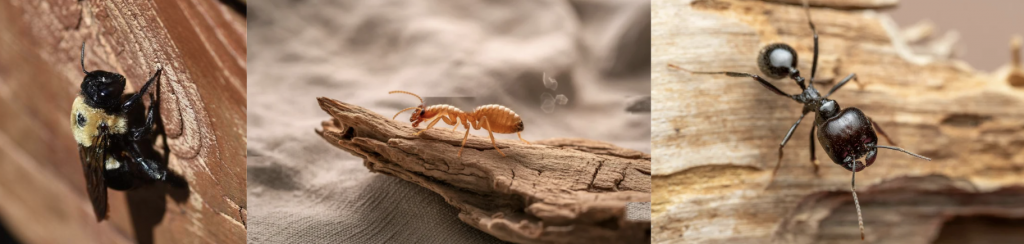
1. Carpenter Bees
Carpenter bees are one of the most common pest problems we see on East Tennessee cabins, especially properties with exposed wood decks, railings, eaves, and outdoor furniture. They look nearly identical to bumblebees, with one key difference: carpenter bees have a shiny, hairless abdomen, while bumblebees are fuzzy all over.
The damage they cause is structural. Carpenter bees drill perfectly round, dime-sized holes into untreated or unpainted wood to lay their eggs. Over time, repeated nesting in the same location weakens the wood and can attract woodpeckers, who hear the larvae inside and excavate even larger holes looking for a meal.
Warning sign to watch for: Small, clean circular holes in wooden surfaces, often accompanied by sawdust or yellow staining below the entry point.
Prevention: Paint or seal all exposed wood surfaces. Carpenter bees strongly prefer untreated wood. Replacing damaged sections and applying a fresh coat of paint or sealant removes most of the appeal.
2. Carpenter Ants
Carpenter ants are large, black ants that do not eat wood but tunnel through it to build their nests. They are drawn to wood that is already moist or decaying, which makes cabins in the Smokies particularly vulnerable given the rainfall and humidity levels in the region.
Left unchecked, carpenter ant colonies can cause serious structural damage to walls, floors, and wooden beams.
Unlike termites, they move slowly enough that early detection gives you real options before the damage becomes expensive.
Warning sign to watch for: Fine, sawdust-like material (called frass) near baseboards, windowsills, or along wall edges. You may also hear faint rustling inside walls.
Prevention: Address any moisture issues in your crawlspace, basement, or around windows. Fix leaky pipes and ensure proper ventilation. Remove any wood debris or firewood stored directly against the structure.
3. Eastern Subterranean Termites
Eastern subterranean termites are the most destructive pest on this list and the most common termite species in Tennessee. They live underground in large colonies and travel up through the soil to feed on the wood in your structure. Because they work from the inside out, an infestation can cause significant damage before any visible signs appear on the surface.
The financial stakes are real. Subterranean termite damage costs homeowners billions of dollars annually across the country, and Tennessee’s climate makes our region particularly active for termite pressure.
Warning sign to watch for: Mud tubes running along your foundation, pier blocks, or crawlspace walls. These pencil-thin tubes are how termites travel from soil to wood while staying protected. Also watch for wood that sounds hollow when tapped.
Prevention: Maintain proper drainage away from your foundation, eliminate any wood-to-soil contact around the structure, and schedule annual inspections. Once termites establish, professional treatment is not optional.
Practical Prevention Steps for STR Owners
Many of the best pest prevention practices are already part of good property maintenance. If you have a regular inspection routine in place, you are ahead of most.
Here are the specific steps that make the biggest difference for cabins in the Smokies:
- Seal entry points. Inspect the exterior for gaps around pipes, utility penetrations, window frames, and door thresholds. Caulk or weatherstrip any opening large enough to let pests in.
- Install and maintain screens. Check window and door screens for tears or gaps at the start of every season and after any storm.
- Keep wood off the ground. Firewood stored against the cabin foundation is an invitation for carpenter ants and termites. Store it elevated and at least 20 feet from the structure.
- Control moisture. Fix any plumbing drips, ensure gutters direct water away from the foundation, and verify that crawlspaces have adequate ventilation. Moisture is the common thread behind most pest infestations in mountain cabins.
- Treat all exposed wood. Paint, stain, or seal any unpainted exterior wood, including the undersides of decks and porch overhangs where carpenter bees often nest.
- Walk the property between guest stays. A quick exterior walkthrough during turnovers is often enough to catch early signs before they become a problem. If your property manager handles turnover, ask them to flag anything unusual.
When to Call a Professional Pest Control Company
Prevention goes a long way, but certain pests, particularly subterranean termites and established carpenter ant colonies, require professional treatment to eliminate effectively. A licensed pest control company will identify the specific pest and infestation level, develop a targeted treatment plan rather than a one-size-fits-all spray, set up monitoring stations to catch future activity early, and schedule follow-up treatments to make sure the problem does not return.
We recommend scheduling a professional inspection at least once a year for any Smoky Mountain rental, regardless of whether you have seen active signs. In a region with year-round pest pressure, a proactive inspection is significantly less expensive than treating an established infestation or repairing the structural damage one causes.
When selecting a pest control company, look for one licensed in Tennessee with experience treating mountain properties. The terrain and construction styles in the Smokies are different from suburban homes, and that local experience matters.
Protect Your Investment Before the Pests Find It
Keeping a Smoky Mountain cabin in great shape for guests takes consistent attention, and pest prevention is one piece of that larger picture. The properties that hold their value, earn repeat bookings, and avoid costly surprise repairs are the ones where owners stay proactive rather than reactive.
If you want a broader framework for maintaining your rental throughout the year, our guide to keeping your short-term rental property in great condition covers inspections, cleaning, and maintenance planning from a property owner’s perspective.
And if you are thinking about buying a short-term rental in the Smokies, or evaluating whether your current property is set up for strong long-term performance, we would love to have that conversation.