The median home price just rose above $400,000 nationally for the first time ever! 

The median home price just rose above $400,000 nationally for the first time ever!

The median U.S. home price just passed $400,000 for the first time ever, according to data from the St. Louis Federal Reserve.

In the third quarter the median home price hit $404,700, jumping nearly 13% since third quarter of 2020, when the median sales price was $358,700.

A recent note from Goldman Sachs states home prices could rise another 16% by the end of next year, and the latest forecast by Fannie Mae, median home prices are expected to rise another 7.9% between Q4 2021 and Q4 2022.

“The housing shortage has contributed meaningfully to the record pace of home price appreciation we are currently experiencing,” Morgan Stanley strategists wrote in August. “While the magnitude of the shortage described above means it is unlikely that we will find ourselves with an excess of supply at any point in the near future, the pace at which supply is contracting has slowed.”

Read the rest of the article from yahoo!finance here.

Tennessee housing market analysis: State experiencing positive economic outcomes in wake of pandemic!

In a new economic report from Middle Tennessee State University, the state’s housing market continues to show signs of a continued recovery from the impact of COVID-19.

The MTSU Business and Economic Research Center’s statewide analysis for the second quarter showed mostly positive outcomes, with home sales increasing overall from the previous quarter and home prices up from the previous year across the state.

Housing prices for the U.S. and Tennessee seem to follow a pattern of exponential growth, while mortgage delinquencies inch closer to pre-pandemic levels, and foreclosures remain slightly above zero percent. Here are some takeaways from the report.

  • Among the major metropolitan statistical areas in Tennessee, all saw increases in home prices
  • Single-family and total home permits for Tennessee were more mixed. Single-family permits slightly fell by .2%, and total permits rose by 12% since Q1 2021. Both categories of permits saw significant increases since the second quarter of 2020. Single-family permits rose by 36% and total family permits rose by 44%.
  • Real estate transfer tax collections sharply increased from the first quarter by 24.5% and 68.5% over the year. Real estate transfer tax collections averaged $24 million
  • Mortgage tax collections increased from the previous quarter by 15%, while the yearly increase was 36.25%

Read the full article from the Nashville Business Journal here.

See the MTSU Jones College of Business Quarterly Housing Rep

Home Prices Increased 19.7% from a Year Ago in July!

The latest edition of the S&P CoreLogic Case-Shiller Home Price Index showed that home prices increased 19.7% from a year ago in July, marking the fourth consecutive month of record growth in the more than 30-year history of the index.

“The last several months have been extraordinary not only in the level of price gains, but in the consistency of gains across the country,” said Craig J. Lazzara, managing director and global head of index investment strategy at S&P DJI, in the report.
The big picture: The fast pace of home-price appreciation the market is now seeing is sure to continue to draw comparisons to the housing bubble back in the early-to-mid 2000s that — when it burst — largely formed the basis for the Great Recession. But analysts warn that the situation is very different right now.


“This market is rooted in much different (and far less dangerous) fundamentals,” Robert Kavcic, senior economist at BMO Capital Markets, wrote in a research note.


The last housing bubble was driven by the subprime mortgage boom, but regulations imposed since then mean that lenders must ensure a borrower’s ability to pay back any loan they receive. Instead, this time home prices are rising because of the short supply of homes for sale across the country, which is increasing competition for properties amid high levels of demand.

What they’re saying: “While late summer indicators suggest some buyer fatigue, home-price growth is likely to remain in double digits through the remainder of 2021,” said CoreLogic deputy chief economist Selma Hepp.

Click here to read the entire article

September 2021 Market Report

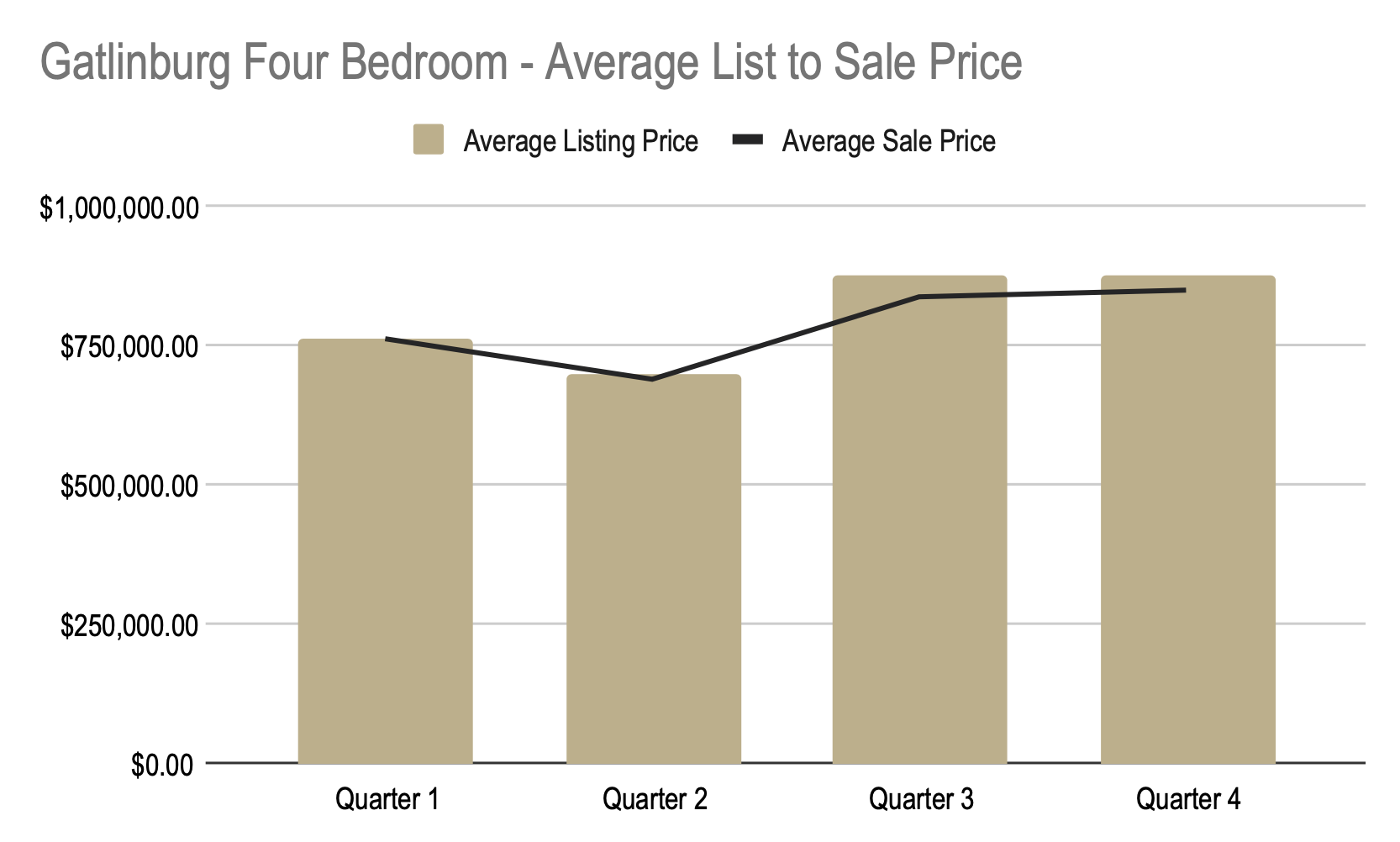
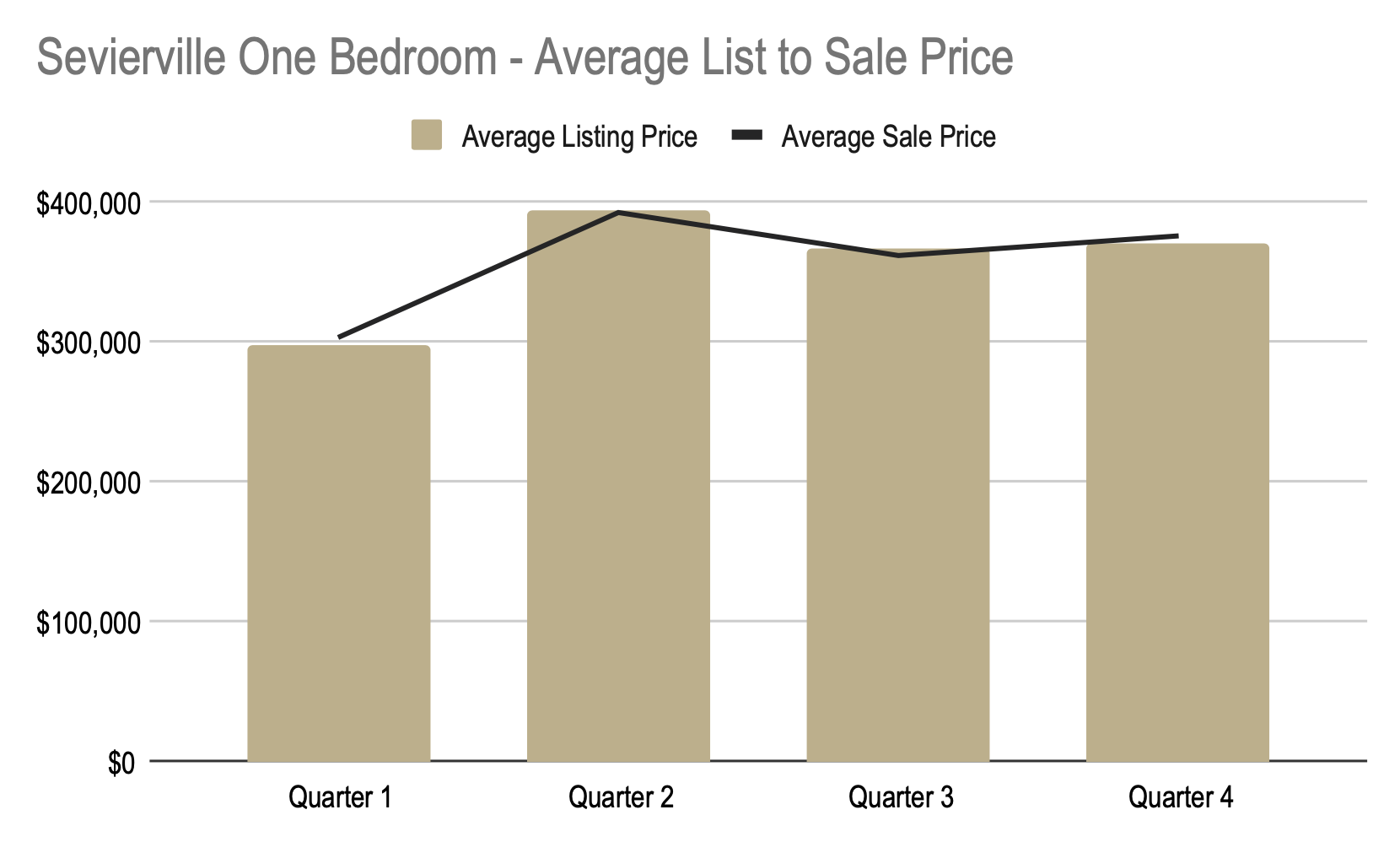
We saw another drastic leap in average price this month – from $541,328 in August to $611,091 in September.
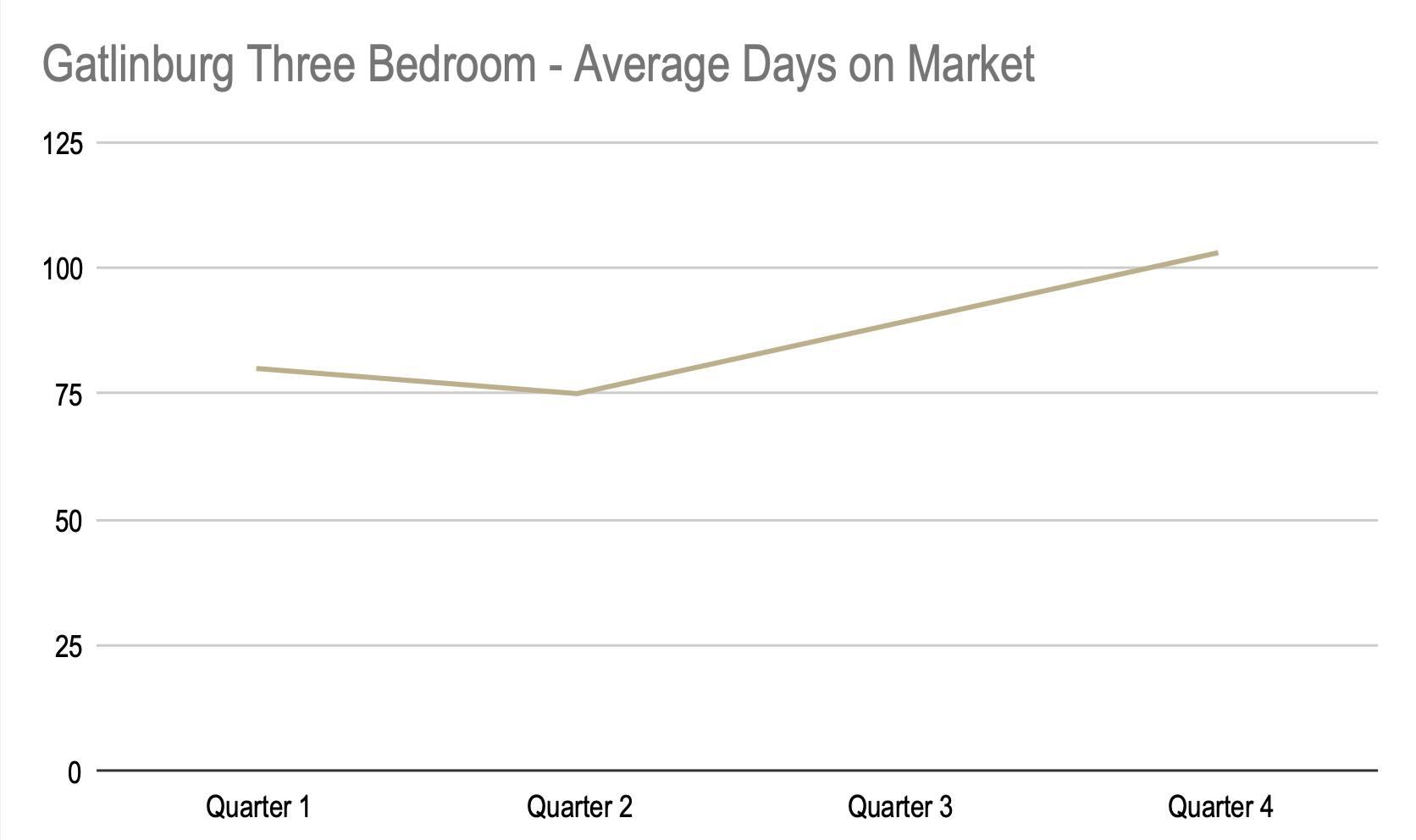
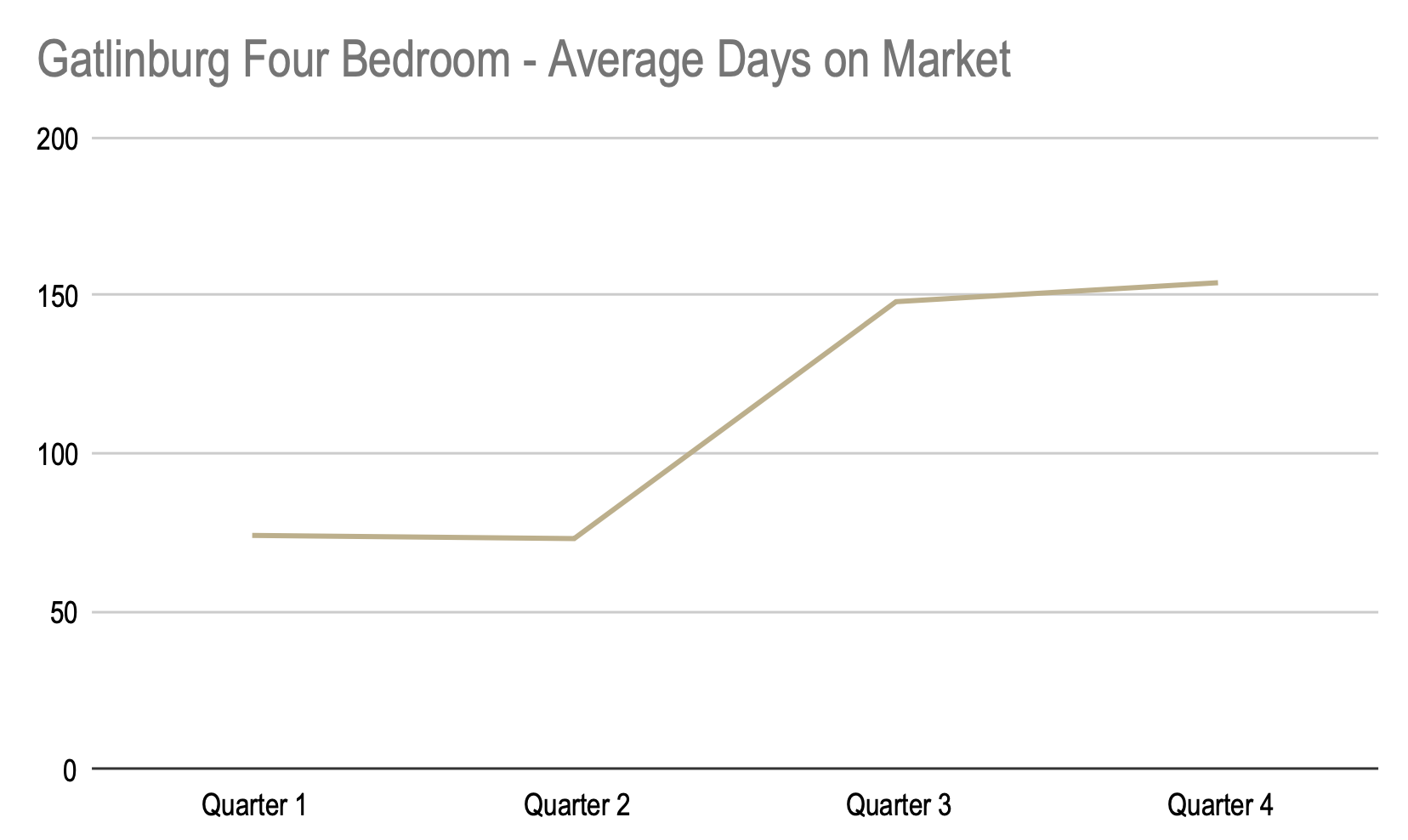
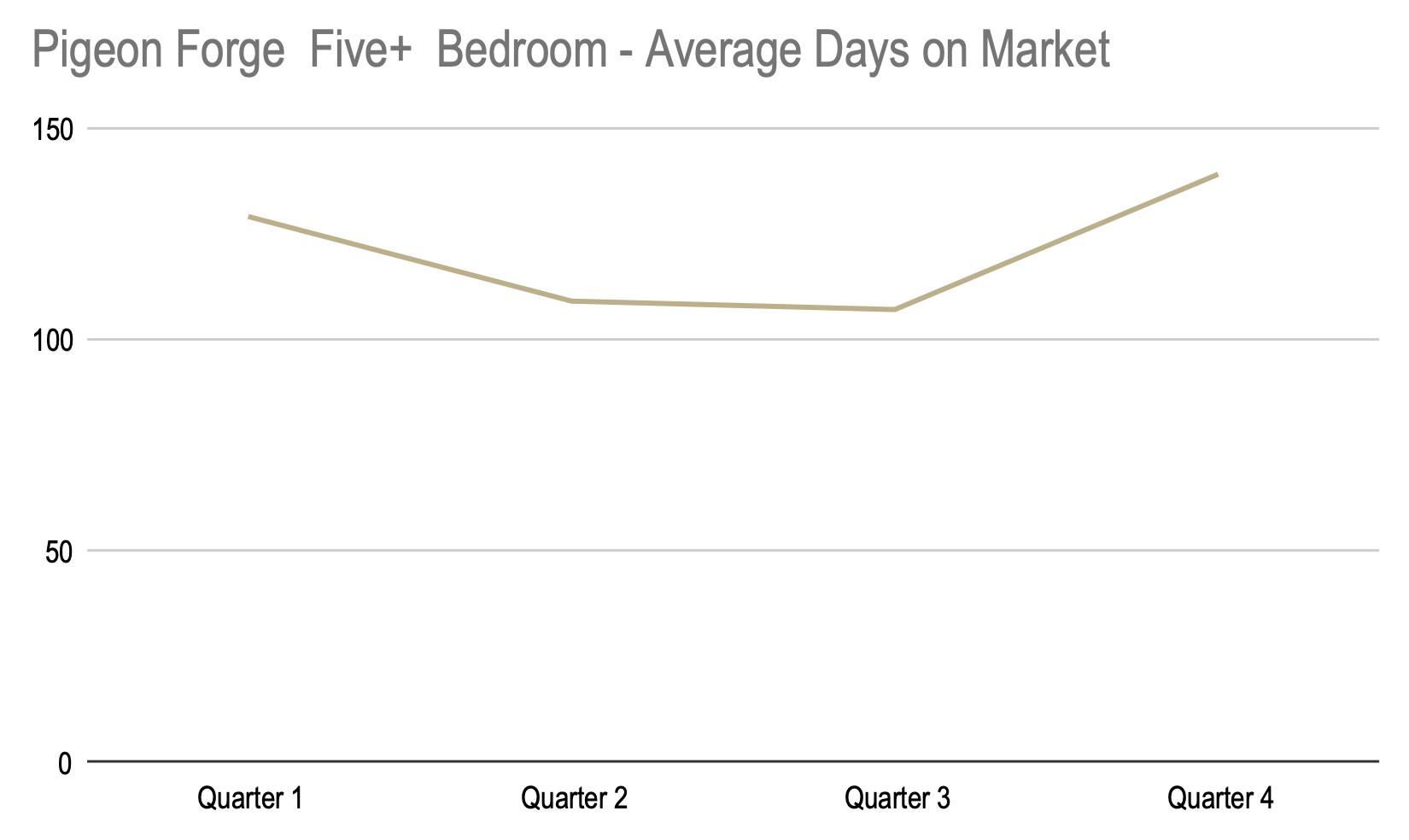
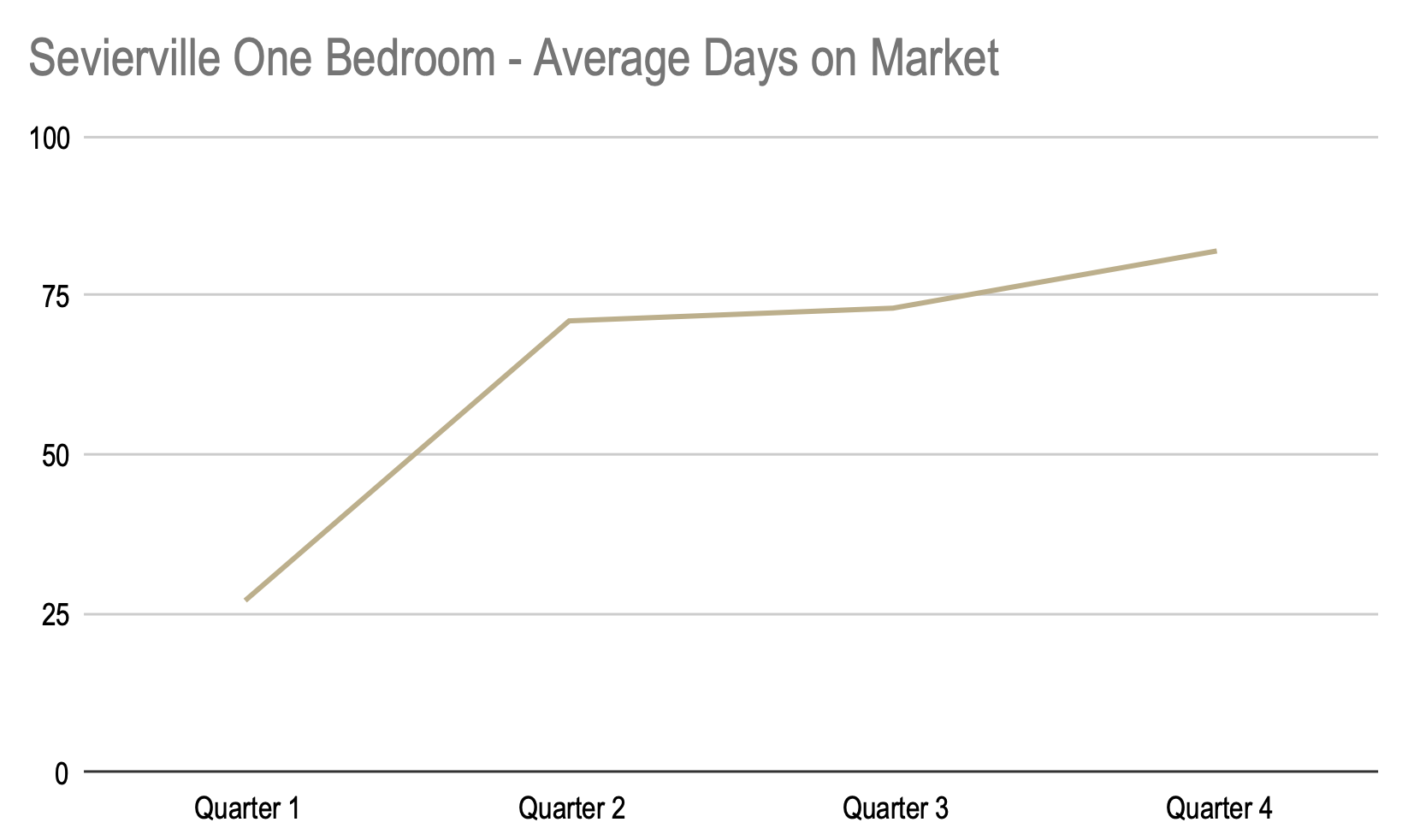
Average days on market dropped to 91 days, down 14 days from 2020.
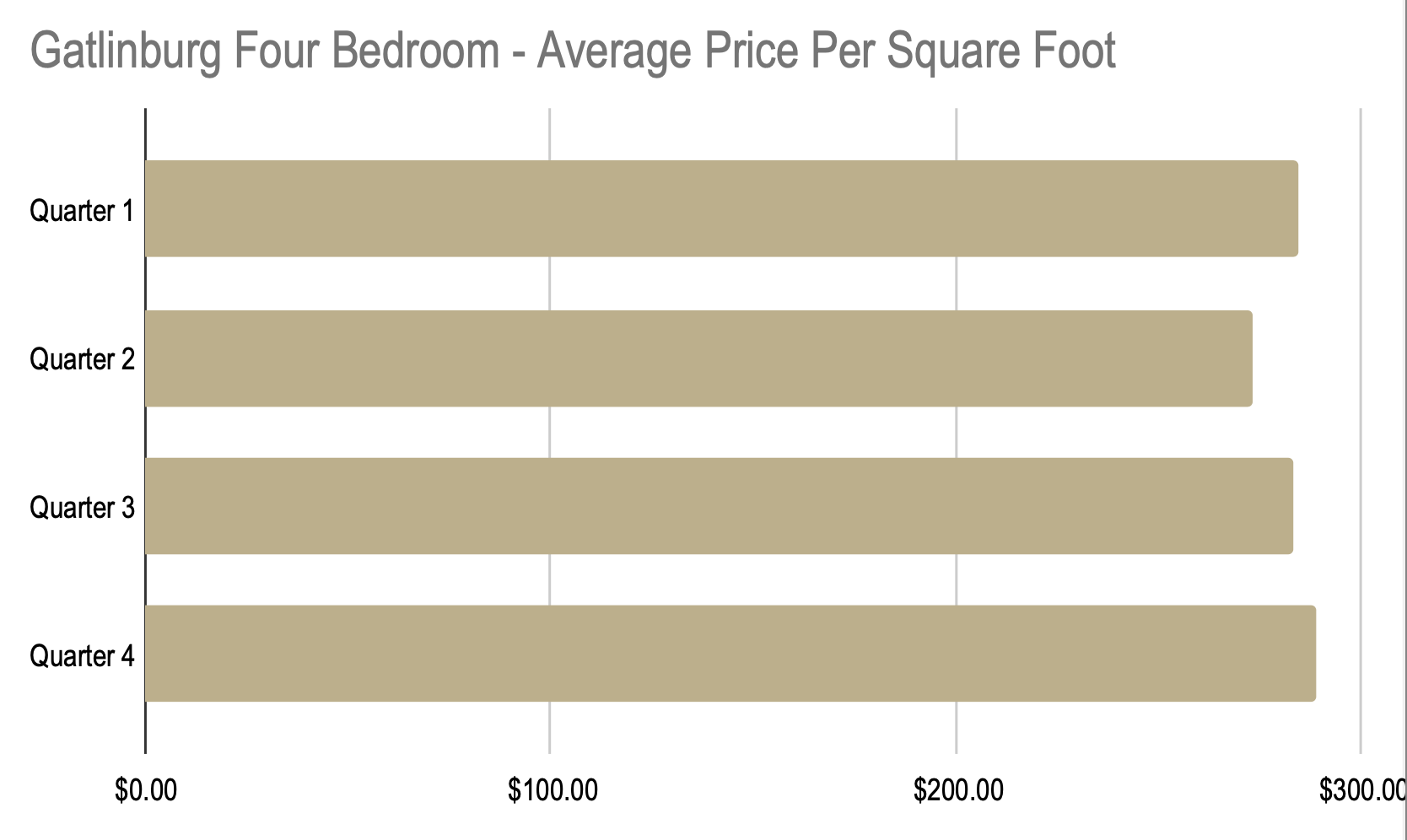
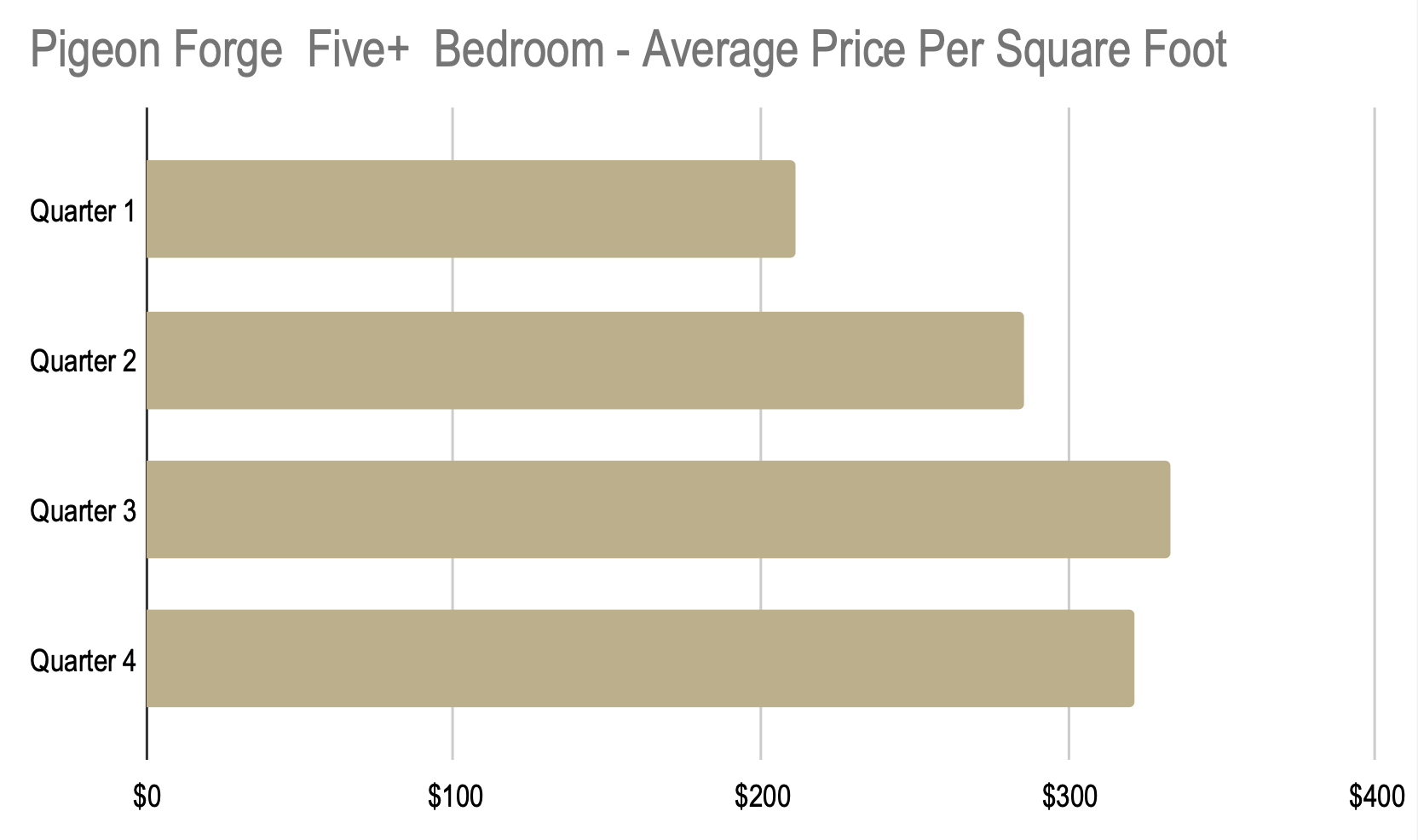
Price per Square Foot increased by $112.20, from $185.93 during September of 2020 to $298.13 during September of this year!


Average Price rose by 35% from $73,071 to $148,415!
Days on market reduced from 245 in September of 2020 to 158 in September of this year.


U.S. homebuilder sentiment rose in September

Why? Lower lumber prices and strong housing demand! 

According the the National Associations of Home Builders, Builders are enjoying some reprieve from easing material costs in a still-strong housing market, where home prices continue to march higher. 

“The single-family building market has moved off the unsustainably hot pace of construction of last fall and has reached a still hot but more stable level of activity,” NAHB Chief Economist Robert Dietz said in a statement.

Derived from a monthly survey that NAHB has been conducting for 35 years, the NAHB/Wells Fargo HMI gauges builder perceptions of current single-family home sales and sales expectations for the next six months. The report also showed that current sales conditions and prospective buyer traffic advanced. At the same time, sales expectations for the next six months remained unchanged.

Read the full article here. 

CNBC – Top States for Doing Business

Expounding on our email from last week!

Last week we shared an article from Area Development, “The 2021 Top States for doing business”,  

This week we’d like to share with you an article from CNBC, “America’s Top States for Business”

In 2021, CNBC names Tennessee the #5 state! 

CNBC scored all 50 states on 85 metrics in 10 broad categories of competitiveness. Each category is weighted based on how frequently states use them as a selling point in economic development marketing materials.

You can read more about their methodology here.

See where your home state falls here.

Tennessee Department of Economic and Community Development shares with us the reasons they believe you should select Tennessee’s business-friendly environment: 

  • No personal income tax on wages and salaries.
  • A right-to-work state.
  • A long history of fiscal responsibility that crosses party lines.
  • Lowest state debt per capita in the country, per The Tax Foundation.
  • Second lowest in the U.S. for state and local tax taxes paid per capita, per The Tax Foundation.
  • Triple A rate by all major rating services.
  • Successful overhaul of our tort and workers compensation laws.

The 2021 Top States for Doing Business

Steven Kaelble, Staff Editor, for Area Development released an article: “The 2021 Top States for Doing Business Reflect Their Locational Advantages”

Below you will find snippets from the article relative to our area! 

Overall Cost of Doing Business

It would be tough to become the overall top state for doing business if your costs were out of hand, so it’s hardly surprising that our top state is also the leader in the category of overall cost of doing business. Georgia is the cost leader for the second year in a row. Tennessee and Texas are perennial top performers for their overall business costs, and they place next in the rankings, tied this time with South Carolina.

Site-Readiness Programs

We’re living in a strange time when you may have to wait and wait to obtain furniture, certain computer chips, appliances, and some new vehicles (and who can forget toilet paper shortages?). By contrast, it’s nice to find a great spot for development that is ready to go, with a head start on the necessary due diligence, infrastructure, and approvals.

Tennessee helps make this dream come true with well-regarded site-readiness initiatives, landing once again in first place in this category. What are sometimes called “shovel-ready sites” are known here as Certified Sites, and they’re all over the state, from a nearly 2,000-acre mega-site in middle Tennessee, to one more than double that size near Memphis, to smaller and mid-sized sites in every corner of Tennessee.

Available Real Estate

You can’t have site readiness if you don’t first have good available sites, so we asked our experts about this basic category, as well. Texas and Georgia tie for top honors when it comes to available real estate. Tennessee is an excellent choice for available real estate, too (and as mentioned above, much of that real estate is primed and ready to develop).

Cooperative and Responsive State Government

And then there are the factors that collectively can be seen as the “welcome mat” states place at the doorsteps of companies doing business within their borders. Some of this is reasonably measurable, such as the tax burden, and some of this is more of a subjective gut feel regarding which states are the most eager and welcoming, the best able to make helpful introductions on the local level, and the most willing to go the extra mile in tailoring incentive and training programs.

Our top five this year for most cooperative and responsive state government are the same as last year, with the order a bit shuffled. Tennessee moves up to second place, placing at or near the top of various rankings of business friendliness and positive climate.

Corporate Tax Environment

Speaking of cooperative, one of the most cooperative things a state can do is not be too burdensome with taxes. Lots of states boast about a business-friendly environment from the perspective of taxes, but our experts rank Texas as the best in this category. Rounding out the top five are Nevada and North Carolina, tied for third, and Tennessee in fifth place.

Favorable Regulatory Environment

Benjamin Franklin said nothing is certain except death and taxes, yet the previous category disproves the part about taxes, at least in some states. What about red tape? That feels like pretty much a certainty, too, but our final two categories highlight states that have found a cure for the most common hassles of location and expansion. Tennessee places sixth.

Speed of Permitting

Last but not least is the speed at which the permitting process moves. Permitting can be a nightmarish hassle, and it’s one of the things that states try to take care of in advance when they create shovel-ready locations.

Generally speaking, the Southern States are the speediest when it comes to permitting: Alabama, South Carolina, Georgia, Mississippi, and Texas, Tennessee, Virginia, and North Carolina, and Louisiana.

Click here to read the entire article, with more information regarding energy availability and cost along with logistics and infrastructure information,

August 2021 Sevier County Real Estate Market Report

Check out the current market report for August!

August 2021 Sevier County Real Estate Market Report for Homes

Average price rose by over $200,000 during the month of August this year compared to last!
Average days on market decreased by 31% compared to last year.
36% more homes sold during the month of August in 2021 than in 2020, for an increase of 69 homes!


August 2021 Sevier County Real Estate Market Report for Land

The number of lots sold is up 5% in 2021!
Average Price rose by 119% from $143,961 to $65,609!


U.S. Home Prices End First Half of Year on Even Stronger Note! 

U.S. Home Prices End First Half of Year on Even Stronger Note!

“In our last release, the Radian HPI reported that home prices grew at the fastest annual rate in over a decade and a half, and that momentum has not stopped yet,” noted Steve Gaenzler, SVP of Data and Analytics.

Business Wire Reports during the ten years between 2010 – 2019, the lightest month of national listing volume (December) averaged 1.3 million listed properties while the mid-point of the year (June) averaged 1.6 million listed properties.

During the last four months listing activity has increased. While the activity during June 2021 was just over 968,000 units, more than 500,000 fewer units than the June

Across the U.S., home prices rose 11.7 percent in the second quarter, a solid increase compared to the first-quarter increase of 9.4 percent.

Demand for homes does not appear to be subsiding. June 2021 recorded the second highest number of real estate closings ever at more than 370,000 closed sales. And homes continue to close in record time. Nationally, the number of days from listing to closing dropped to 69 days, the first time the measure has been below 70 days in recorded history.

Read the full article here. 

Lumber prices are falling. What does the mean for the price of property?

In May, lumber prices reached all all time high, at $1,670.50, more than six times their pandemic low in April of 2020, but as of July prices have tumbled by nearly 60% since hitting peak in May!

Senior economist at Fastmarketsr RISI, Dustin Jalbert states it could take weeks before retail centers begin to see the effects of the rate cuts. He adds, “Prices are probably not going to fall to the levels that they were before the pandemic.”

Dale Oxley, director of NAHB West Virginia agrees, “That decline was really at the mills. The consumer really hasn’t seen that 30% to 40% because a lot of the… local suppliers haven’t burned off that high-price product.”

Will we see a direct correlation from the price of lumber and the price or property?

Not likely – yet.

Alex Barron, president of the Housing Research Center told Bankrate, “Lumber is not the main reason why homes are unaffordable. It is the lack of resale supply.”

Read the full article here and share your thoughts with us!